
The Real Constraint Behind EV Adoption
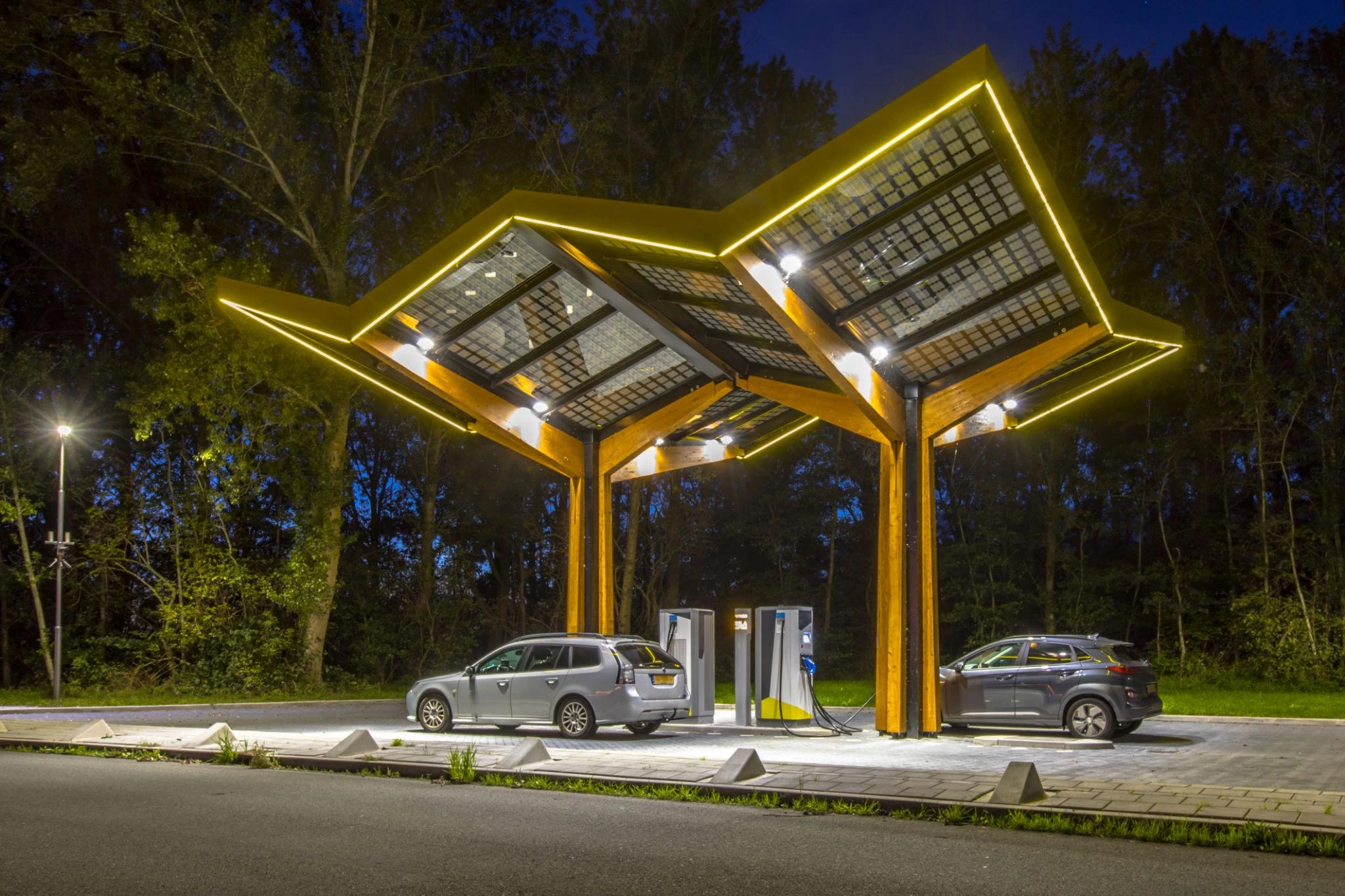
The success of electric vehicles in Europe is often framed as a competition between manufacturers, yet the real constraint on adoption is not the vehicle itself, but the ecosystem it depends on.
Vehicle technology has advanced rapidly, with most modern EVs now offering sufficient range, performance, and usability for the majority of drivers. However, infrastructure has not kept pace at the same rate, creating a growing imbalance in the market.
High
Range and performance now sufficient
Uneven
Regional inconsistency persists
Infrastructure
Primary limiting factor
Infrastructure Gaps in the UK and Europe
In the UK, charging availability, reliability, and pricing remain inconsistent. While urban areas continue to see improvements, motorway networks and rural regions still present challenges that directly impact consumer confidence.
This uneven distribution creates friction in real-world usage, particularly for long-distance travel and for drivers without access to home charging.
Infrastructure quality, not vehicle capability, is now the dominant variable influencing EV adoption across Europe.
The New Competitive Dynamic
For manufacturers entering the European market, success is no longer determined solely by the quality of the vehicle, but by how well it integrates into the existing charging ecosystem.
This includes compatibility with charging networks, navigation systems that accurately reflect charger availability, and software that simplifies the charging experience.
Strategic Implications
There is also an opportunity for manufacturers to play a more active role in shaping infrastructure. Partnerships with charging providers, investment in networks, and integrated charging solutions are becoming key differentiators.
At Stratum EV, the analysis extends beyond vehicles to include infrastructure interaction, network reliability, and ecosystem readiness, providing a more complete view of the EV market.
The next leaders in the EV market will not simply build better cars, they will build better ecosystems.